
The mid-range smartphone sector in 2025 is dominated by a fierce rivalry for the crown: Google’s Pixel 9a versus Samsung’s Galaxy A56. Both devices have earned the title of “flagship killer” by delivering high-end experiences—performance, display, and camera prowess—at roughly half the cost. This head-to-head comparison is the definitive Pixel 9a vs Galaxy A56 Mid-Range King showdown.
The Pixel 9a bets big on pure Android, long-term support, and superior AI camera magic. The Galaxy A56 counters with a massive screen, flexible storage, and reliable battery endurance. We analyze which device offers the best value around the $500 price point.
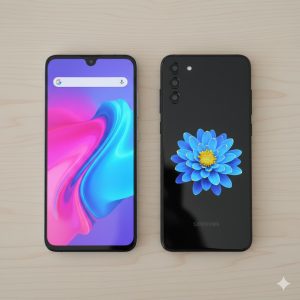
1. Design & Display: Prioritizing Size vs. Portability
The size and quality of the display often determine user satisfaction.
| Feature | Samsung Galaxy A56 | Google Pixel 9a | Analysis |
| Display Size | 6.7-inch Super AMOLED | 6.3-inch Actua pOLED | The A56 is better for immersive media consumption. |
| Refresh Rate | 120Hz | 120Hz | Both ensure silky smooth scrolling and gaming performance. |
| Durability | Gorilla Glass Victus+ / IP67 | Gorilla Glass 3 / IP68 | The Pixel 9a offers superior water and dust resistance, essential for longevity. |
The Galaxy A56 provides a visually stunning, immersive 6.7-inch Super AMOLED canvas. Conversely, the Pixel 9a is designed for greater one-handed use and superior resilience, securing an IP68 rating—a small but critical edge in device longevity.
2. Performance & Longevity: The Tensor Edge vs. Stable Exynos
The internal silicon and software commitment are key battlegrounds for the title of Pixel 9a vs Galaxy A56 Mid-Range King.
- Pixel 9a (Tensor G4): Leveraging a flagship-tier processor, the Pixel 9a offers superior performance in AI-intensive tasks like complex photo editing and real-time translation. More significantly, it provides an industry-leading 7 years of OS and security updates, making it the better long-term investment.
- Galaxy A56 (Exynos 1580): The Exynos chip provides a reliable balance of speed and power efficiency. While it doesn’t match the Tensor G4’s peak AI performance, its battery efficiency is optimized, and its software support commitment (4 years OS + 5 years security) is still robust.
3. Camera Performance: Computational Genius vs. Lens Versatility
The camera is where the two phones diverge most sharply.
- Google Pixel 9a: The AI Master. While its sensor hardware is modest, Google’s Computational Photography delivers unmatched image consistency. Features like Night Sight and Magic Eraser leverage the Tensor G4’s AI to produce clean, color-accurate photos, regardless of challenging lighting conditions.
- Samsung Galaxy A56: The Flexible Shooter. The A56 offers greater lens flexibility, including a dedicated 5MP Macro lens for close-up shots. Its images are typically more vibrant and saturated, appealing to users who prefer punchy, ready-to-share photos without editing.

4. Features & Value: Charging and Expansion
This final comparison determines the better value proposition.
| Feature | Samsung Galaxy A56 | Google Pixel 9a |
| Battery Capacity | 5000mAh | 5100mAh |
| Wireless Charging | No | 7.5W Supported |
| Storage Expansion | MicroSD Slot | No |
While the Galaxy A56 offers essential MicroSD card expansion and fast 25W wired charging, the Pixel 9a counters with the highly convenient wireless charging—a rare feature in the mid-range segment. This small luxury, combined with the 7-year update guarantee, significantly boosts the Pixel’s overall value.
Final Verdict: Who is the Real Pixel 9a vs Galaxy A56 Mid-Range King?
The choice between the Pixel 9a vs Galaxy A56 Mid-Range King ultimately depends on your priority:
| If You Value… | The Recommended Phone Is… | Summary |
| Longevity & Photo Quality | Google Pixel 9a | Best-in-class AI processing, 7 years of software updates, and the convenience of wireless charging (IP68). |
| Media Immersion & Storage | Samsung Galaxy A56 | Huge 6.7-inch AMOLED, MicroSD card slot, and robust battery life. |