

The rise of XR (Extended Reality) is reshaping learning environments. In 2025, non-commercial, educational XR headsets are gaining traction. These devices move beyond high-end gaming or enterprise use. They offer affordable, immersive tools for schools and universities.
This comprehensive Educational XR Headset Review focuses on devices designed specifically for deep engagement and collaborative learning. We compare features, content availability, student safety, and overall value in the academic sector.
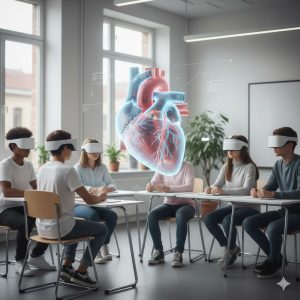
1. Key Feature: Comfort and Durability
Educational environments demand headsets that are light, comfortable, and built to last. Students often wear these devices for extended periods.
- Ergonomic Design: Top educational models prioritize lightweight frames and easy-to-clean materials. This addresses both comfort and hygiene in a shared setting.
- Built-in Durability: Headsets must withstand the daily wear and tear of a classroom. Devices built with reinforced straps and impact-resistant lenses score highest in this
Educational XR Headset Review.
2. Content Ecosystem and Simplicity
The hardware is only as good as the content it delivers. For educators, the focus is on ease of use and curriculum alignment.
- Curated Content Libraries: The best platforms offer direct access to verified educational content. Think virtual dissections, historical site tours, and complex physics simulations.
- Simple Deployment: IT departments prefer systems that are easy to manage and update in large batches. Simple setup and limited feature sets (avoiding commercial distractions) are key.

3. Safety and Data Privacy
Student data and safety are paramount in the academic space. This is a critical factor in any Educational XR Headset Review.
- Data Security: Non-commercial devices must offer enterprise-grade data handling. They should ensure student usage data remains private and compliant with educational privacy laws (e.g., FERPA).
- Safety Features: Pass-through video (allowing students to see their actual surroundings) and parental/teacher controls are essential for safe classroom usage.
- Eye Strain Mitigation: Specific screen technology and software features designed to reduce long-term eye strain are highly valued by schools.
Final Verdict: Value in Immersive Learning
Choosing the right Educational XR Headset Review is an investment in future learning. The highest-rated devices balance low cost with high-impact, immersive educational content. They provide an unprecedented level of engagement for subjects like science, history, and engineering. These headsets are truly paving the way for the classroom revolution.