
Introduction: The Growing Threat of Deepfakes
Deepfakes—synthetic media generated using advanced AI—have become alarmingly realistic in 2025, blurring the line between fact and fiction.
From manipulated videos to hyper-realistic voice clones, deepfakes pose significant threats across politics, media, cybersecurity, and social trust.
They enable the spread of misinformation, fraud, and impersonation, making effective detection technology crucial for safeguarding digital integrity.
How Deepfake Technology Has Evolved
By 2025, deepfake models incorporate sophisticated AI algorithms that improve facial expressions, lip sync, and voice modulation with near-perfect realism.
Attackers use these tools to produce convincing fake videos of public figures or synthetic voices to scam individuals and organizations.
Even experts struggle to identify deepfakes visually, necessitating advanced technological intervention beyond human perception.
Current Deepfake Detection Technologies
In response, multilayered detection systems have emerged, combining AI-driven visual analysis, audio forensics, and behavioral analytics.
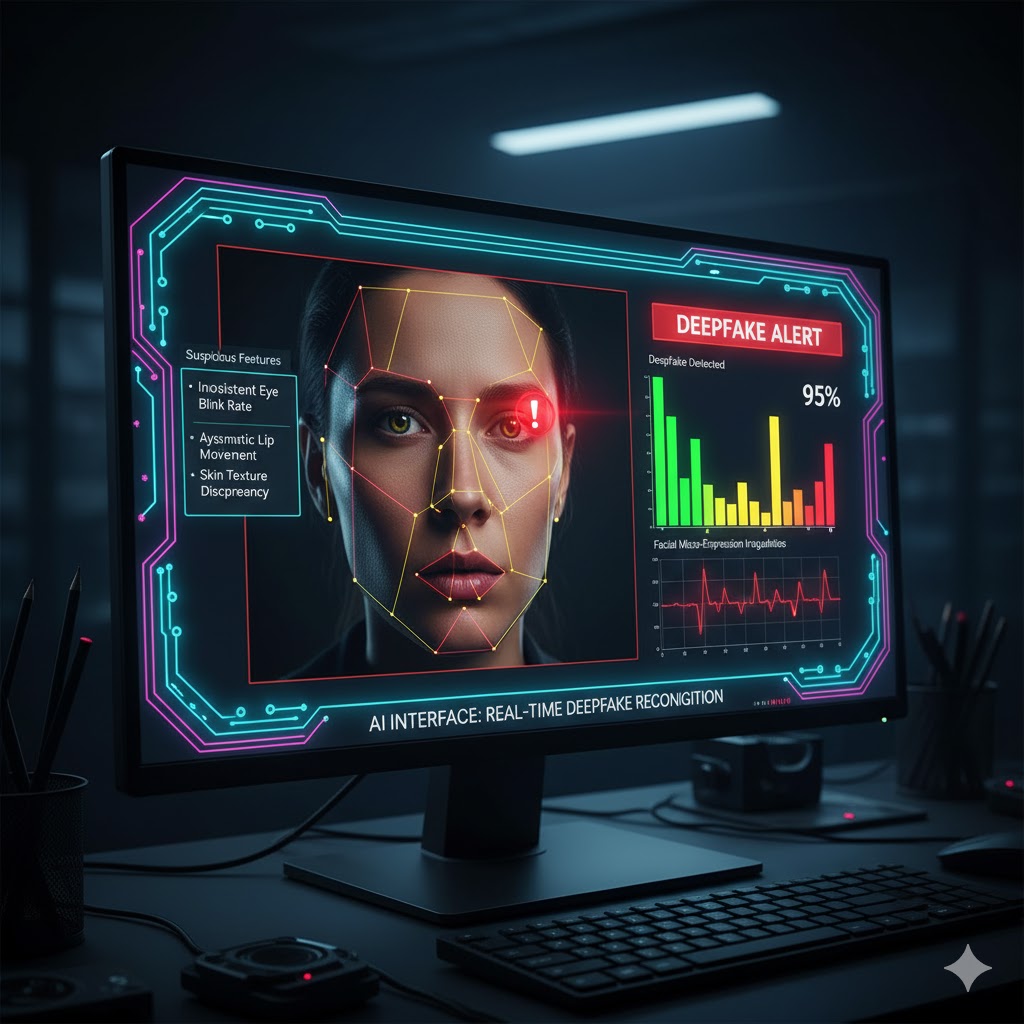
These systems scan videos and audio for subtle inconsistencies—odd facial micro-expressions, unnatural blinking, or audio glitches—unseen to the naked eye.
Leading tools, such as Hive AI’s Deepfake Detection API, analyze frames and classify content with high accuracy, aiding platforms in moderating manipulated media.
The U.S. Department of Defense and other organizations invest heavily in such AI tools to prevent misinformation in critical sectors.

Challenges and Adaptations
As deepfake generation improves, static detection models quickly become obsolete.
Cutting-edge detection solutions now use adaptive machine learning that continuously retrains on emerging deepfake types, similar to antivirus software evolution.
The rise of audio deepfakes, including emotional and regional voice cloning, adds complexity requiring equally sophisticated audio forensic measures.
Cross-industry collaboration, data sharing, and explainable AI frameworks help improve detection reliability and public trust.

Future Directions: Real-Time and Collaborative Defense
The future points toward AI-powered real-time detection integrated into social media, video platforms, and communications.
Next-generation detectors will analyze streams live, intercepting deepfakes before they spread widely and mitigating damage.
International partnerships and regulatory frameworks will play central roles in creating standardized verification systems and ethics guidelines.

Conclusion: Guarding Truth in a Deepfake Era
Deepfake detection technology is a critical frontline tool in defending against digital deception and misinformation in 2025.
Ongoing innovation, collaborative efforts, and ethical AI use are vital to staying ahead in this escalating digital arms race.
Maintaining digital authenticity preserves trust, security, and democratic processes in an increasingly synthetic media landscape.
REALUSESCORE.COM Analysis Scores: Deepfake Detection Technology
| Metric | Score (out of 10.0) | Note |
|---|---|---|
| Visual & Audio Analysis | 9.2 | Detects subtle media anomalies with high accuracy |
| Adaptive Learning | 9.0 | Continuously updated models to counter new fakes |
| Real-Time Capability | 8.7 | Emerging integration with live content monitoring |
| Industry Collaboration | 8.8 | Cross-sector cooperation for better data sharing |
| Regulatory Alignment | 8.5 | Growing frameworks for ethical AI and transparency |
| Overall Score | 8.8 / 10 | Essential technology evolving with rising threats |