
1. The Wearable Revolution and the Rise of the Quantified Self
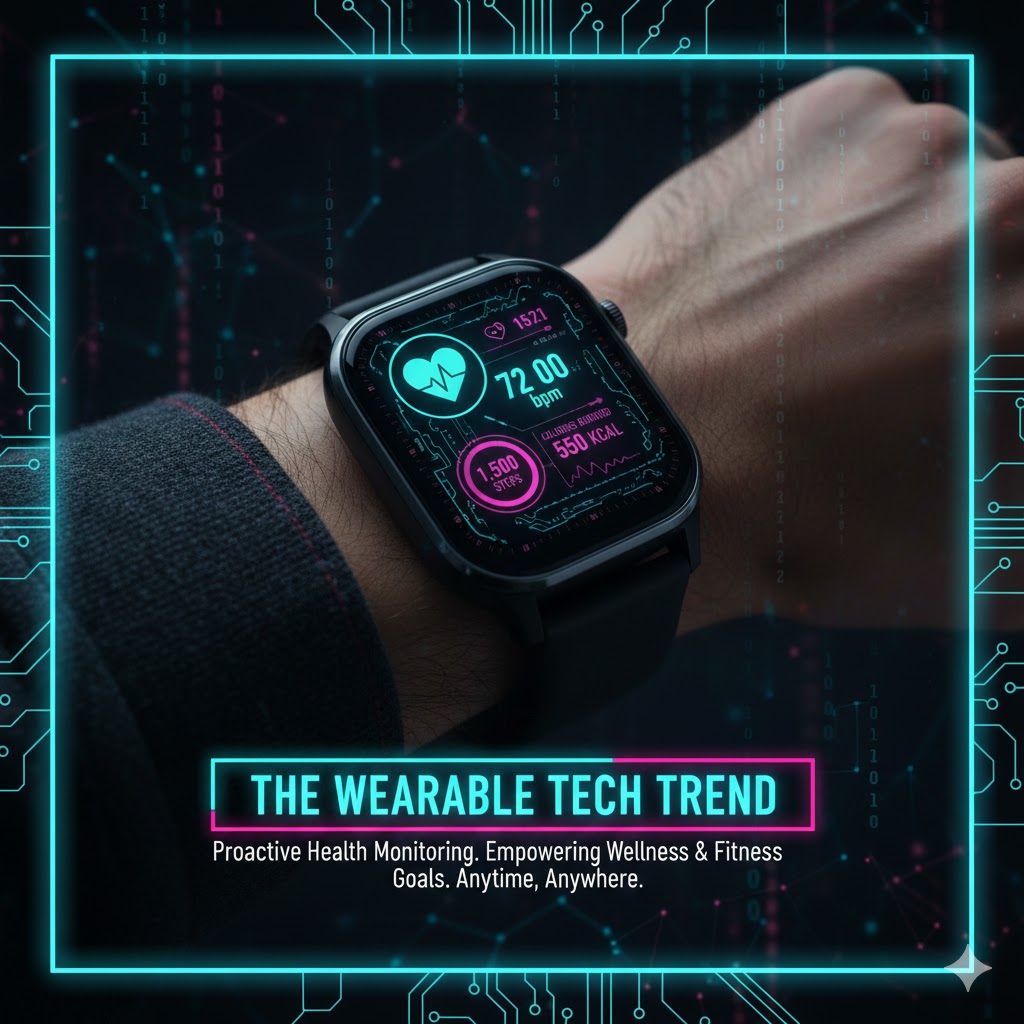
The wearable technology market has moved far beyond simple step-counting. Devices like smartwatches, fitness trackers, and continuous glucose monitors (CGMs) are now sophisticated medical-grade sensors, collecting massive volumes of granular, personalized health data (heart rate variability, sleep quality, blood oxygen levels, activity metrics). This revolution has fueled the concept of the “Quantified Self,” where individuals continuously monitor their physiological state.
This rich, real-time data is creating a powerful new dynamic, fundamentally reshaping two major industries: Health Insurance and Digital Privacy. While insurers see a goldmine of data for risk assessment and personalized policies, consumers and regulators are increasingly concerned about data security, bias, and the potential for discriminatory practices.
This deep dive analyzes the symbiotic—yet tense—relationship between wearable health data and the insurance industry, examining the ethical and regulatory hurdles surrounding personal privacy in this new era.
The Data Goldmine: Insurers’ New Tool
Historically, insurance risk assessment relied on broad mortality tables, periodic medical exams, and self-reported questionnaires. Wearable data offers an entirely new level of precision:
-
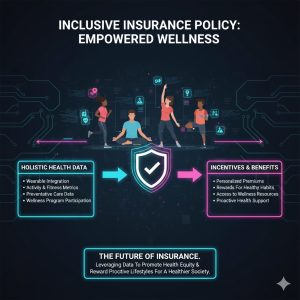
Risk Personalization: Insurers can move away from calculating risk based on general population groups toward assessing risk based on the individual’s actual, verifiable health habits.
-
Preventative Programs: By monitoring engagement in fitness programs (e.g., meeting daily step goals), insurers can offer immediate rewards (lower premiums, discounts) to incentivize healthier behavior, theoretically reducing long-term claims costs.
-
Real-Time Intervention: Data flags can alert individuals (and potentially insurers) to early signs of chronic conditions (e.g., sustained high resting heart rate, severe sleep apnea indicators), allowing for quicker, cheaper interventions.
The Mechanism: Usage-Based Insurance (UBI) for Health
Health insurance is adopting models proven in the auto insurance industry (Usage-Based Insurance). These programs typically operate via:
-
Opt-In Consent: Users must willingly consent to share their wearable data (usually aggregated or anonymized) with the insurer.
-
Gamification: Insurers use apps to turn healthy habits into points, badges, or tiers, which directly translate into premium reductions or cash rewards (often up to 10-15% reduction).
-
Data Exchange: Secure APIs facilitate the transfer of approved metrics from the wearable platform (e.g., Apple Health, Fitbit) to the insurer’s proprietary health platform for scoring.
2. 🛡️ The Critical Privacy and Ethical Tensions
The integration of health data into financial decision-making has ignited fierce debate over privacy, equity, and the nature of consumer consent.
The Challenge of Data Privacy and Security
Wearable data is uniquely sensitive, as it is continuous and deeply personal.
-
De-anonymization Risk: Even anonymized activity data, when combined with time, location, and demographic data, can often be easily linked back to an individual.
-
Security Vulnerabilities: The sheer volume of data stored on insurance servers makes them attractive targets for cyberattacks. A breach of a large insurer’s health database could expose chronic condition markers, mental health indicators, and lifestyle habits for millions.
-
The “Stick” vs. The “Carrot”: While programs are currently voluntary and offer rewards (“the carrot”), critics fear they will eventually evolve into punitive models where non-participation or poor results lead to mandatory higher premiums (“the stick”).
The Threat of Algorithmic Discrimination and Bias
The core fear is that data-driven insurance models will create a two-tiered system, exacerbating societal inequalities.
-
The Health Divide: Those with lower socioeconomic status often have less access to safe places to exercise, nutritious food, or advanced wearable technology itself. Algorithms rewarding activity may inadvertently penalize the poor, the disabled, or those working demanding, sedentary jobs.
-
Pre-existing Conditions 2.0: While laws (like the Affordable Care Act in the US) limit the use of pre-existing conditions, continuous data streams provide an even more granular view of an individual’s future health risk. This could lead to “predictive underwriting,” where individuals are subtly priced out of coverage based on their data profile. For a deeper discussion on data fairness, be sure to read our dedicated analysis on: The Impact of Web3 on Content Ownership and Creator Economy: A 2026 Forecast.
-
Scope Creep: Today it’s steps and heart rate. Tomorrow, AI analysis of sleep patterns or stress levels could be used to predict mental health claims or workplace performance, creating a highly intrusive form of societal scoring.
Regulatory and Policy Response
Regulators worldwide are struggling to update health privacy laws (like HIPAA in the US or GDPR in Europe) to address the velocity and granularity of wearable data. Key policy questions include:
-
Ownership: Who truly owns the data generated by the body—the user, the device maker, or the platform storing it?
-
Consent Scope: Is broad, one-time consent for data sharing sufficient, or should consumers have granular control over which data points are shared (e.g., share steps but not sleep)?
-
Mandatory vs. Voluntary: Should insurance companies be entirely banned from accessing this data, or only allowed to use it for non-punitive, voluntary reward programs?

3. The Future Outlook: Balancing Innovation and Equity
The trajectory of wearable tech and insurance is heading toward mandatory integration, driven by the financial benefits of better risk assessment. However, this growth will be heavily mediated by public trust and regulatory intervention.
The long-term success of this trend hinges on the industry’s ability to implement transparent, bias-free, and purely non-punitive programs that focus on genuine health improvement for all participants, rather than simply maximizing profitability by identifying high-risk individuals. The next decade will be defined by the legal battles that determine where the “digital body boundary” lies.
REALUSESCORE Analysis Scores
Analysis of the driving forces and ethical challenges in the Wearable Tech/Insurance sector:
| Evaluation Metric | Personalization Potential | Claim Reduction Potential | Consumer Privacy Risk | Algorithmic Bias Risk |
| Technology Driver | 9.7 | 9.4 | 9.8 | 9.6 |
| Regulatory Framework (Current) | 7.0 | 7.5 | 6.5 | 6.0 |
| REALUSESCORE FINAL SCORE | 9.5 | 9.2 | 6.7 | 6.5 |